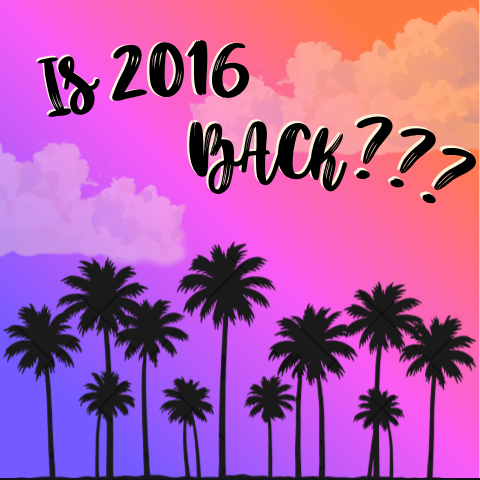
Social media trends have always played a critical role in teenage culture. Through various platforms such as TikTok and Instagram, microtrends and pop culture spread at incredible rates, bringing West Ranch students new and exciting content at all times. However, despite the ability to grow and bring new media to the internet, there has been a recent trend among social media influencers to “revive” content, music and media from 2016.
This fixation on past culture reflects the growing dissatisfaction with modern social media culture, which many users see as overly commercialized, repetitive and inauthentic. Rather than celebrating the past, the obsession with 2016 exposes how disconnected people feel from the social media landscape of today. 2026 cannot be ‘the new 2016,’ because the culture, platforms and priorities of social media have fundamentally changed. Instead of trying to resurrect outdated trends in an attempt to relive the past, we should focus on creating fresh ideas and innovative cultures that actually reflect 2026.
From Snapchat filters to Pokémon Go, 2016 is fondly remembered by current teenagers and young adults. While it may seem like a wholesome, nostalgic blast to the past, this trend reflects the public’s response to the overwhelming, commercialized nature of today’s social media. The attempt to ‘bring back 2016’ is not just a nostalgic trend. This is a statement regarding the lack of satisfaction people have with 2026.
West Ranch Junior Varsity Girls’ Soccer Coach Ms. Holen, who was a college student in 2016, discussed her thoughts on the revival of 2016 trends. “I think it’s funny, because I think it’s just the most random year. Number one, 2016 had the oddest fashion choices. Like, we loved Infinity Scarves, and American Eagle was the place to go get these t-shirts, where you had cutouts on your shoulders, and just the weirdest fashion trends,” Ms. Holen shared.
While most current West Ranch students were still young children in elementary school during 2016, the year still had emotional impacts on the student body. When asked if he believed 2016 was truly as amazing a time as social media portrays it to be, West Ranch sophomore Kaushal Belagum expressed, “Obviously, there’s some exaggeration, but in all honesty, I think they’re pretty close to accurate about how amazing 2016 was. Life seemed so much more colorful back then, and I think that’s a big reason why people miss it so much.”
West Ranch senior Audrey Kim added that the 2016 trend really resonates with her because she sees 2016 as an extremely nostalgic and positive time period when people were more focused on community and respect for others.
The big cultural differences in social media between now and 2016 play a big role in this “nostalgic” vibe that people feel about 2016. While TikTok was still known as Musical.ly and was only beginning to rise in popularity, platforms such as Instagram, Snapchat and Twitter were already at the height of their mainstream success. However, despite their popularity, the culture on these apps was vastly different from what it is today.
One of the main reasons 2016 is idealized is that social media felt more authentic than it does today. Ms. Holen elaborated on this idea by explaining the authenticity of 2016 social media that is unfound today: “People would just post on their Instagrams, raw, unfiltered, pictures or images, or what have you, without a care in the world. Nobody cared about likes, nobody cared about followers, nobody cared about influencing or ads or anything. It was just truly, it was its truest raw form of expression, without judgment.”
Throughout the past decade, the purpose of social media has expanded dramatically. What used to be a casual platform to share experiences with friends and family quickly transformed into a corporate, business-driven space focused on marketing, branding and profit. This lack of authenticity has contributed to why social media no longer feels alive or entertaining. Social media users are seeing the effects of excessive advertising and curated personas that prioritize engagement and revenue over genuine creativity. Ms. Holen noted that when she uses social media today, she is more likely to see content from influencers with brand deals and major companies selling products than posts from her own friends.
So, this modern trend of ‘bringing back 2016’ is not simply about the excitement and interest in 2016 trends. Instead, it is about the desire to return to a simpler time when social media was less toxic and more personal and intimate. “Social media was much more free, with less restrictions than there are now,” Belgaum reflected. “Back then, creators focused more on what they found fun, rather than what generated more money. It was that which made social media so great in 2016.
Another key aspect of the 2016 revival trend is the constant comparison between the current and past cultures. This “Then vs. Now” comparison demonstrates how teenagers and young adults on social media truly feel about modern media, particularly their dissatisfaction with current trends. Kim shared her view on why the trend surfaced, emphasizing that she believes it will be short-lived and soon forgotten. “You could be nostalgic about anything, but I feel like people are just trying to make a trend for like no reason. Because they’re just like, ’Yay, 2016,’ but it’s like, why?” Kim explained.
As social media has become more popular over the past decade, the internet has also become oversaturated with content and rapidly evolving microtrends, leading to users feeling overwhelmed by modern media. The tendency to romanticize 2016 and imagine the year in a more idyllic light reflects people’s longing for a perceived simpler time when social media was a more authentic, positive experience. Teenagers and young adults are striving to achieve the same sense of fulfillment they had a decade ago, which is not only unrealistic but also ignores the significantly different modern culture. It’s not practical to expect the same “vibes” and energy from 2016 in 2026.
Not only are teenagers desperate for a time when social media was less toxic and more enjoyable, but modern microtrends are being pushed out so quickly that many people agree they are losing meaning and value. Trends like “The Great Meme Depression,” which gained popularity during December 2025, communicated the idea that social media users are all thinking: current trends are boring.
Belgaum discussed his opinion on why modern social media is not fulfilling anymore: “I think the reason why people on social media are unable to come up with new trends and jokes is the simple fact that most people are trying to fit into the social stereotype. Just an example, but so many people focus on trying to be as nonchalant as possible, and it just ruins the vibes completely.”
Social media users need to stop focusing on desperate attempts to revive pop culture from a decade ago; instead, we need to revive the authenticity and positivity that were present during 2016. Chasing past happiness and experiences is not the way for people to create meaningful growth and content for the new year. We should focus on creating a new 2026 and on allowing new, fun, exciting trends and media to grow, rather than trying to bring back those of 2016.